
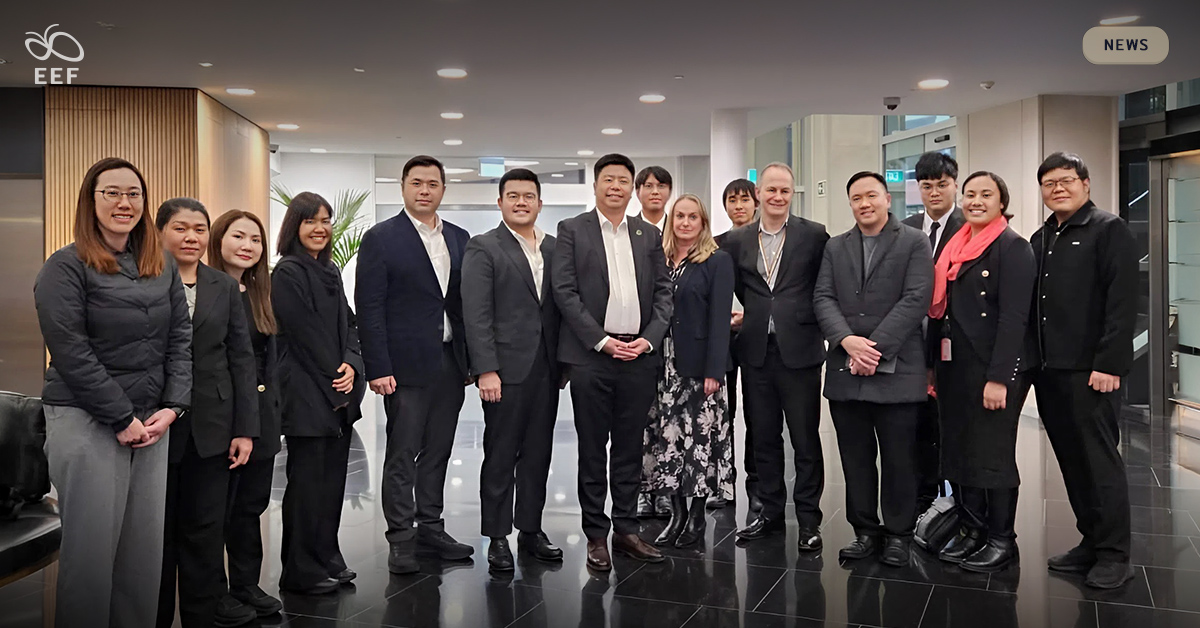
The Equitable Education Fund (EEF) Thailand and the Ministry of Education (MOE) recently accepted an invitation from New Zealand to discuss frameworks for academic cooperation. The dialogue, held from June 10–12, 2026, in Wellington, New Zealand, focused on developing educational resource allocation systems and designing evidence-based policies. This significant exchange of knowledge also marked the 70th anniversary of diplomatic relations between Thailand and New Zealand.
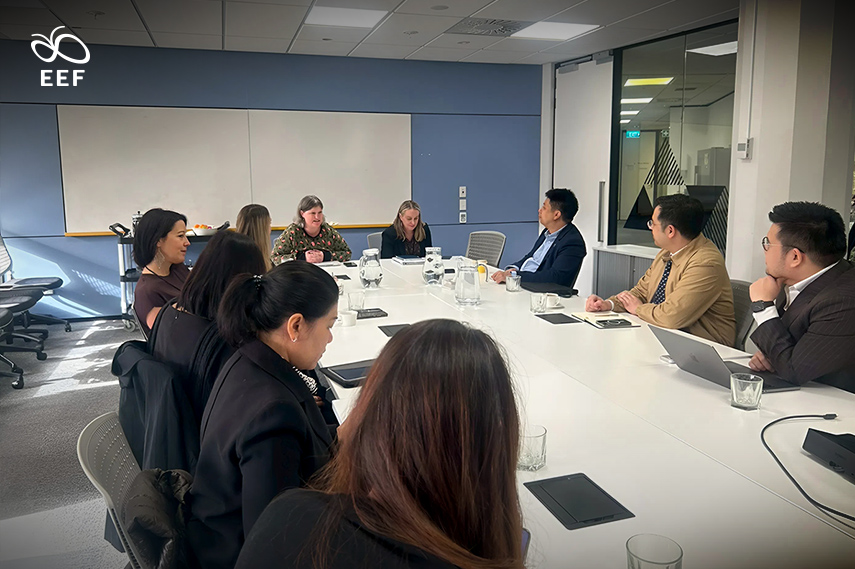
The Thai delegation was led by Dr. Kraiyos Patrawart, Managing Director of the EEF (Thailand), and Mr. Peerawit Khantisuk, Advisor to the Minister of Education. They were joined by representatives from the MOE, the Office of the Education Council (OEC), the Office of the Basic Education Commission (OBEC), and an EEF academic officer dedicated to educational resource allocation.
A central theme of the meetings was the exchange of insights regarding the Equity Index. This system utilizes socio-economic data and learner contexts to evaluate the specific support needs of individual schools, serving as a foundation for the fair distribution of educational budgets and resources. New Zealand is globally recognized for its advancements in utilizing this index to systematically reduce educational inequality through targeted budget allocation, school management, and policy design.
During the visit, the Thai delegation shared their experiences in formulating Evidence-based Policy and discussed approaches to developing database systems that support budget allocation, track outcomes, and evaluate educational policy effectiveness.
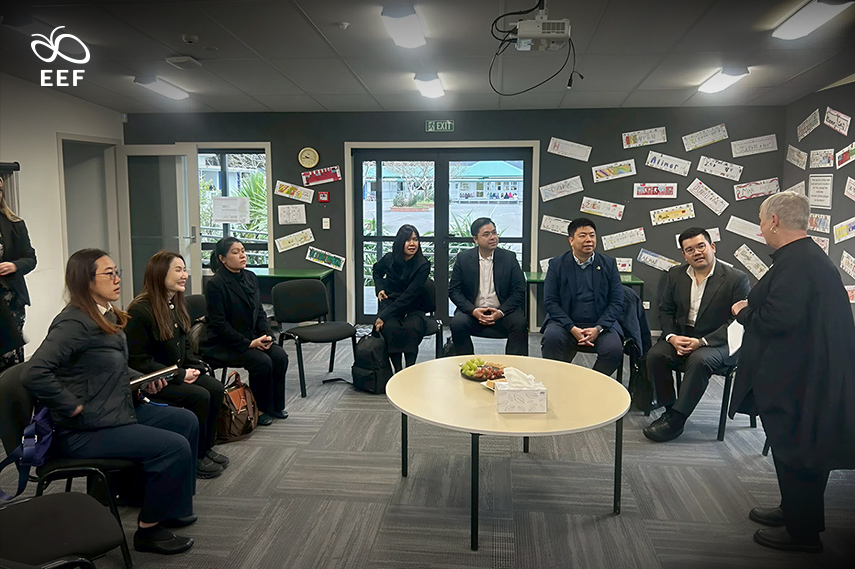
Throughout the mission, the Thai representatives engaged in comprehensive discussions with key New Zealand policy, education, and financial management agencies, including: the Ministry of Education, Stats NZ, The Treasury, the Office of the Auditor-General, the Education Review Office (ERO), the New Zealand Qualifications Authority (NZQA), Education New Zealand, and the Ministry of Foreign Affairs and Trade (MFAT). These meetings facilitated a robust exchange of experiences on linking government data, developing statistical indicators, monitoring budget spending efficiency, overseeing educational quality, and utilizing data to support high-level policy decisions.
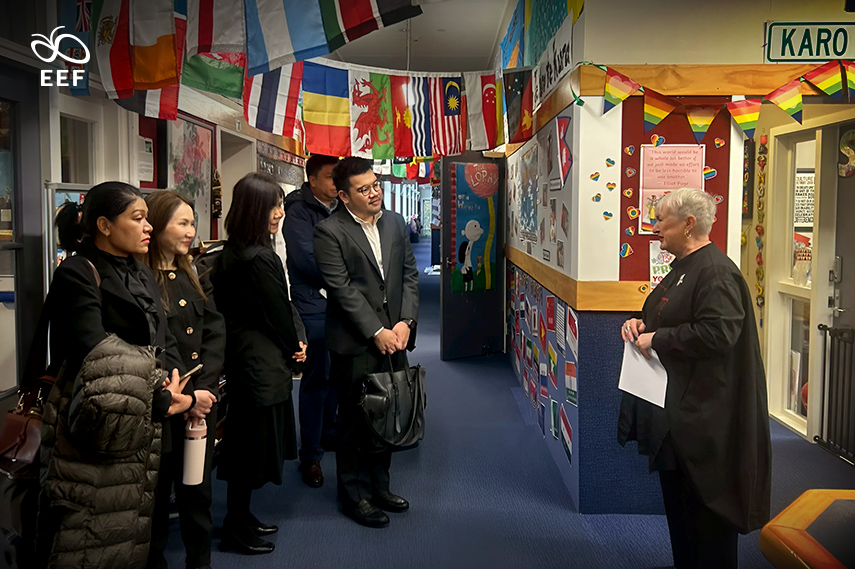
As a result of these discussions, both nations agreed to drive further cooperation in data system development, joint policy research, and the creation of tools to support equitable resource allocation. The insights and lessons learned from New Zealand will be instrumental in drafting policy proposals aimed at refining Thailand’s education budget allocation system. By ensuring that funding accurately reflects the diverse contexts and specific needs of schools in different areas, this collaboration will enhance the efficiency of resource distribution and systematically drive sustainable educational equity across Thailand.