
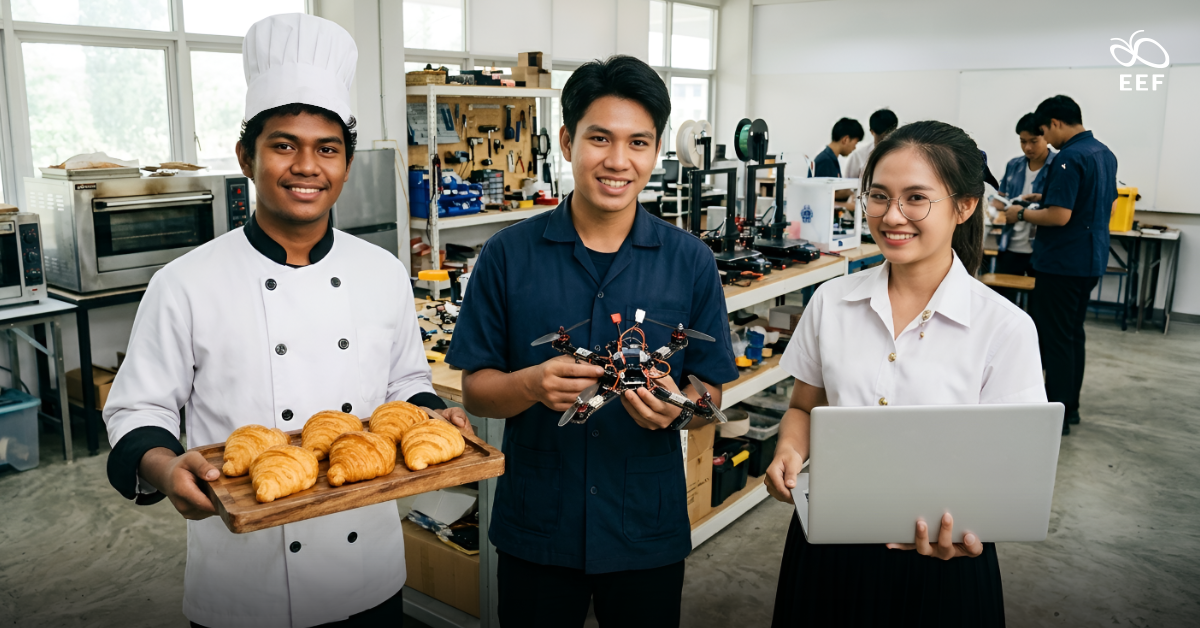
Why Shifting from Standardized Testing to Individual Capacity Discovery Is Essential for Thailand’s High-Income Ambitions
National human capital is unlocked when school systems move beyond uniform testing to provide flexible, data-targeted pathways that help every child discover and deploy their true potential.

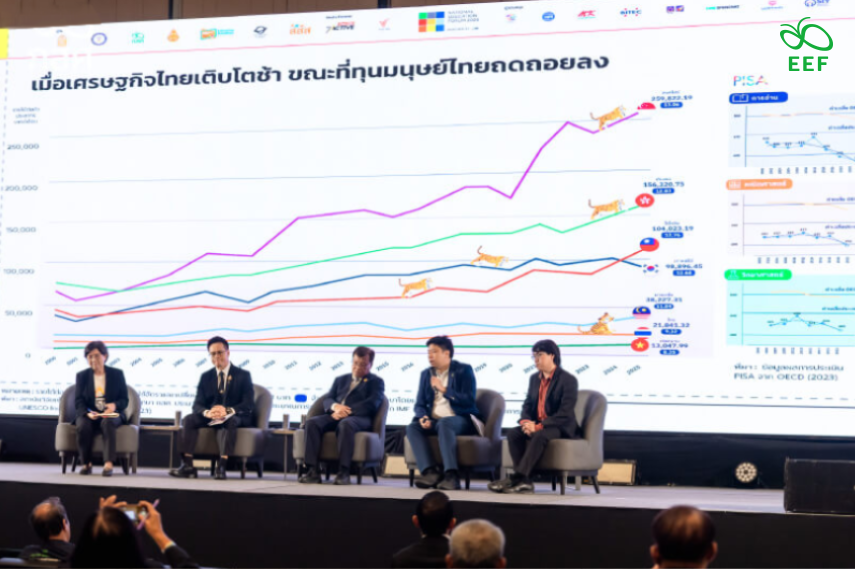
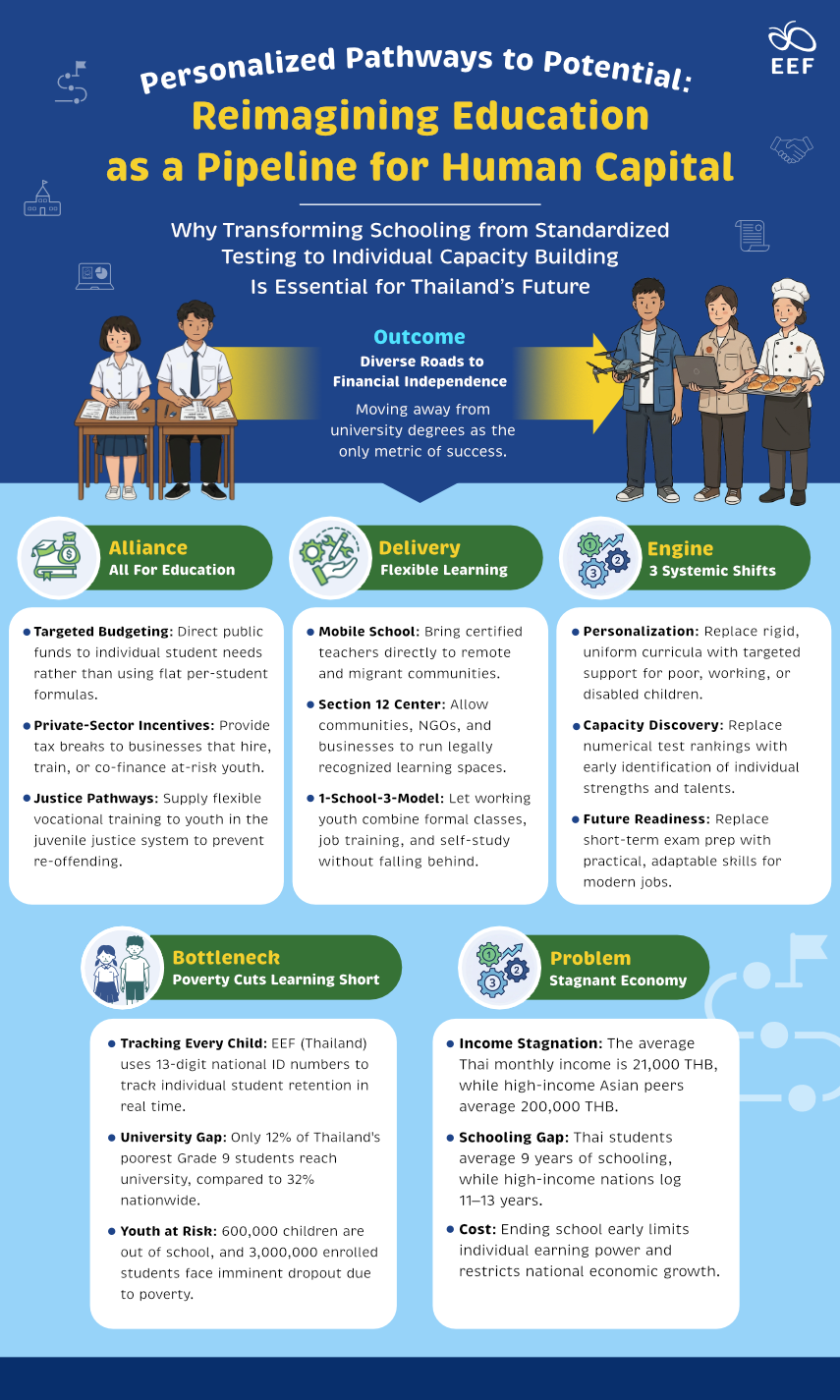
For over three decades, Thailand has pursued a single defining economic imperative: transcending the middle-income trap—and its historic ambition of becoming Asia’s Fifth Tiger—to achieve high-income status. With growth stalling and income gaps persisting, Thailand faces a persistent macroeconomic divide: high-income Asian peers such as Singapore report average monthly incomes above 200,000 Thai Baht, while Thailand’s average remains around 21,000 Thai Baht. Only by investing directly in foundational human capital can the country begin to bridge that gap.
How Poverty Cuts Schooling Short Long Before University
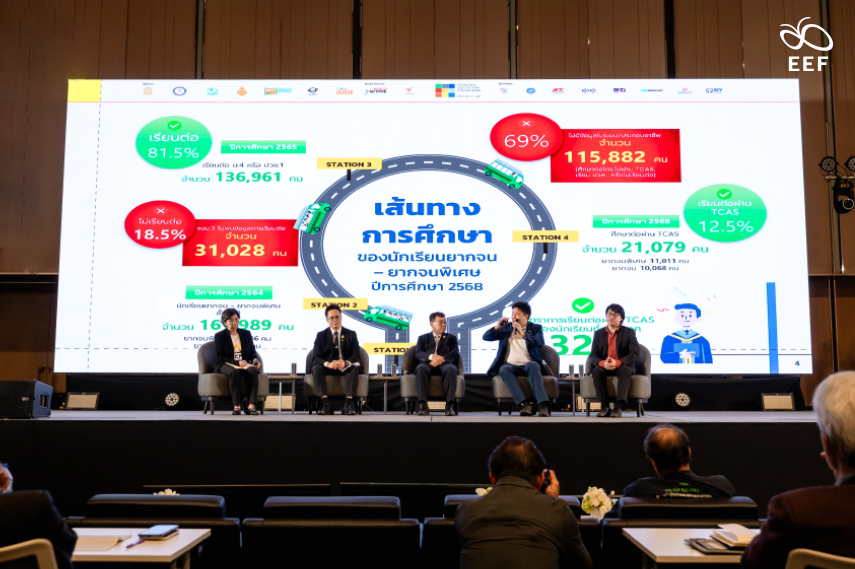
Economic mobility relies on student retention. By tracking low-income students via their 13-digit national identification numbers, Equitable Education Fund (EEF) Thailand monitored 167,989 Grade 9 pupils from the poorest households from 2021 through the TCAS admissions system in 2025. Only 12% successfully entered higher education—compared to a 32% national average—proving that severe socio-economic hardship prematurely ends academic journeys.
Nationwide, 600,000 children and young people are out of school—80,000 preschool-aged, 260,000 of compulsory-school age, and 250,000 at upper-secondary level—while another 3 million live below the poverty line, exposed to a persistent risk of dropout. When a young person leaves school before recognizing their aptitudes, the loss extends beyond individual opportunity: it becomes a structural loss of national human capital that Thailand can ill afford.
Why Raising Average Years of Schooling Matters for National Income
Human capital scales with educational attainment. While high-income regional economies log 11 to 13 years of schooling, Thai attainment has stagnated near 9 years. This gap does not merely measure time spent in a classroom; it measures time spent accumulating knowledge, mastering modern skills, and refining competencies that translate into higher earning potential and economic self-reliance.
Higher incomes require broader pathways—and within them, degrees are not mandatory. Because individual interests, life circumstances, and career ambitions vary widely, education systems must move away from rigid, single-destination pathways. Only by fostering personal agency can an educational framework convert latent talent into tangible national wealth.
Making Three Structural Shifts From Standardized Tests to Future Skills
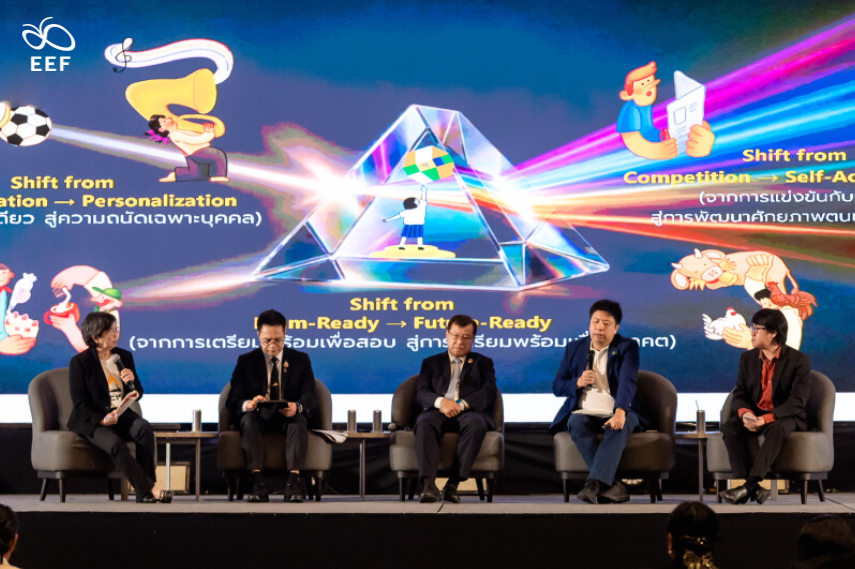
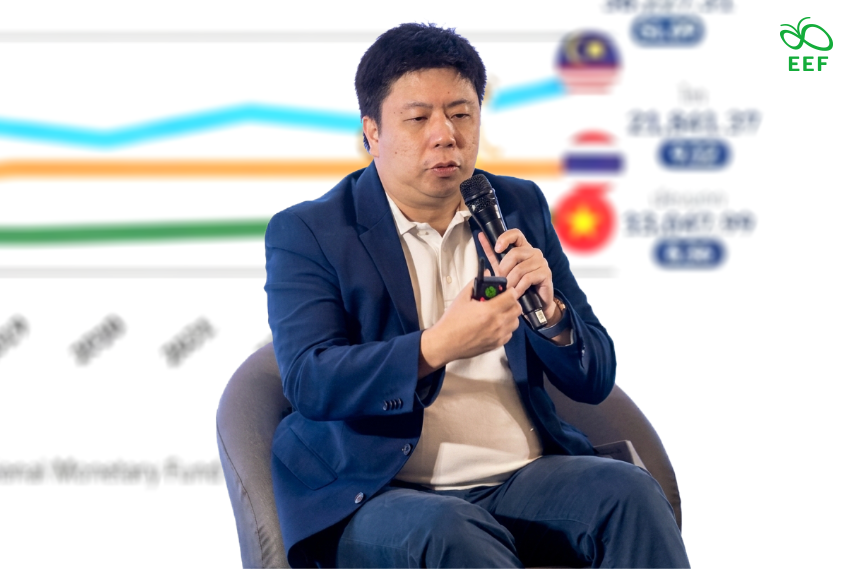
To shift from a system centered on standardized testing to one focused on future readiness, EEF (Thailand) Managing Director Dr. Kraiyos Patrawart outlines three fundamental structural transitions.
- First, schools must respond to students’ different starting points: A child facing poverty, disability, language barriers, family instability, or gaps in prior learning needs targeted support—not the same instruction and expectations as every other child.
- Second, education must help each student discover where they can succeed: Test scores should inform teaching, not define a young person’s worth or future. Schools should identify students’ strengths, interests, and practical abilities, then connect them to appropriate learning and career pathways.
- Finally, schooling must prepare young people for a changing economy, not merely for the next examination: Alongside academic knowledge, students need adaptable skills: problem-solving, communication, digital capability, collaboration, and the capacity to keep learning throughout their lives.
The common question behind these shifts is no longer whether a learner can conform to a single standard, but what capabilities they possess—and how the system can help them develop those capabilities as far as possible.
Using Flexible School Models and Real-Time Data to Reach Every At-Risk Child
Rigid schedules exclude working children; flexible pathways restore their access. Models like Mobile Schools, Section 12 Learning Centers, and the “1-School-3-Model” framework adapt directly to student realities. Without adaptable delivery models, working youth and remote learners cannot maintain consistent educational progress.
Unlocking this flexibility requires precise, individual-level data. Rather than relying solely on aggregate statistics regarding out-of-school youth, data systems must pinpoint who individual learners are, where they reside, and what specific constraints they face. Only through targeted fiscal allocations can tight budgets deliver essential interventions to low-income and disabled youth.
Why All Sectors Must Work Together to Provide Multiple Career Endpoints
Education resembles a train network: entry must remain universal. Targeted budgets line safety railings, keeping vulnerable passengers from falling off during transit. Crucially, the train should not force every passenger to disembark at the same terminal station; it must offer diverse destinations reflecting varied talents, whether as entrepreneurs, scientists, artisans, athletes, or skilled technicians.
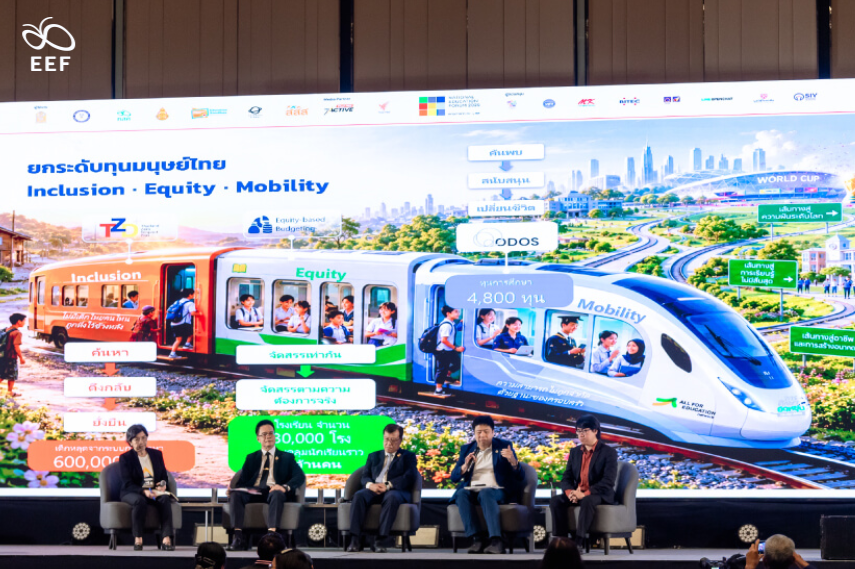
Building this infrastructure requires transitioning from “Education for All” to “All for Education.” Public agencies, private enterprise, civil society organizations, local authorities, and academic institutions must pool resources and expertise. By leveraging precise data to target needs, the state can activate cross-sector mechanisms, such as tailored vocational pathways for youth in the juvenile justice system, targeted financing for Thailand Zero Dropout Plus (TZD+) initiatives, and tax incentives that encourage corporate co-investment in human capital. Transforming a child into empowered human capital begins with a system flexible enough to ensure no individual capability is lost along the way.