
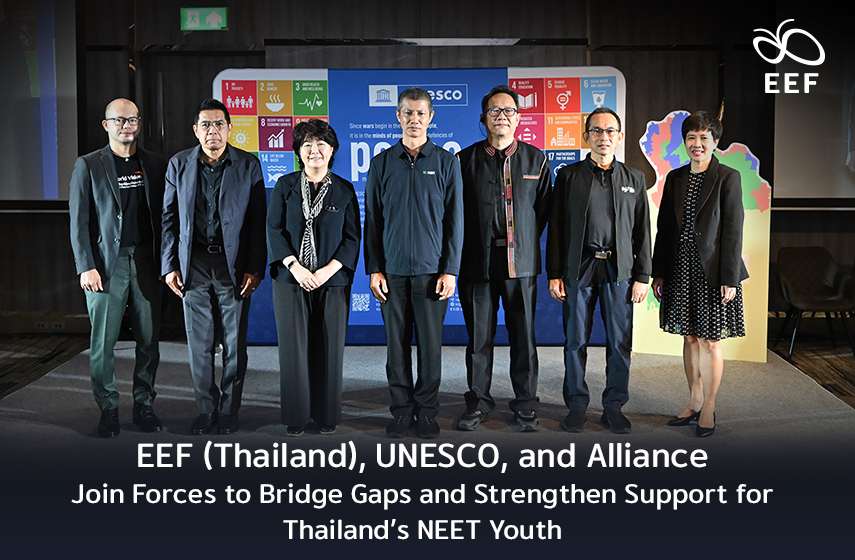
As South-East Asia navigates rapid socio-economic and technological transformation, one pressing challenge continues to demand urgent collective action: the growing number of young people who are Not in Education, Employment, or Training (NEET). Behind this statistic are millions of individual stories of interrupted learning, limited opportunities, and unrealized potential.
To address this challenge, the Equitable Education Fund (EEF) Thailand in partnership with the UNESCO Regional Office in Bangkok and the Office for UN Coordination for Asia and the Pacific (UNESCO Bangkok) convened the 14th Online Conference of the Equitable Education Alliance (EEA) under the theme “Preventing School Dropout and Youth Disengagement in Southeast Asia.” Bringing together 240 participants from government agencies, academic institutions, civil society, and international organizations, the conference provided a space to share experiences, examine common challenges, and explore practical approaches to supporting children and youth at risk of leaving education, while strengthening collaboration across the region.
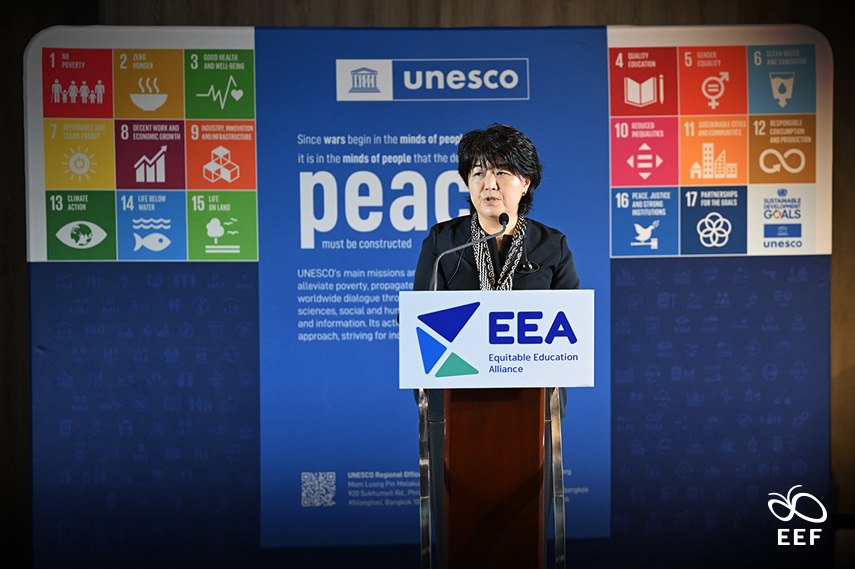
Opening the conference, Ms. Rika Yorozu, Education Programme Specialist at UNESCO Bangkok, framed the NEET challenge as a structural issue affecting the entire region. Citing recent UNESCO data and the Langkawi Joint Statement on Out-of-School Children and Youth (October 2025), she highlighted that over 17 million children and youth remain out of the educational system, with one in five young people classified as NEET, particularly young women. She emphasized that technology must serve equity and that collaboration across government, education, the private sector, and communities is essential to ensure no learner is left behind.
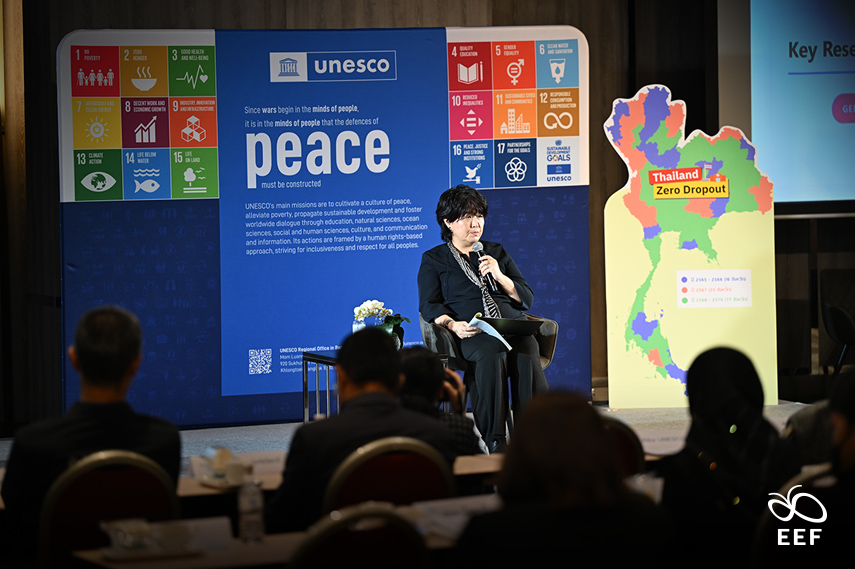
Discussions throughout the conference highlighted strategies grounded in regional research, including flexible learning pathways, early warning systems, digital tools supported by human mentorship, and stronger links between education and employment. Speakers emphasized the importance of timely intervention, multiple routes back into learning, community engagement, data-informed planning, and sustainable financing. Thailand’s “1-School-3-Models” model and Thailand Zero Dropout initiative were presented as scalable practices with regional relevance.
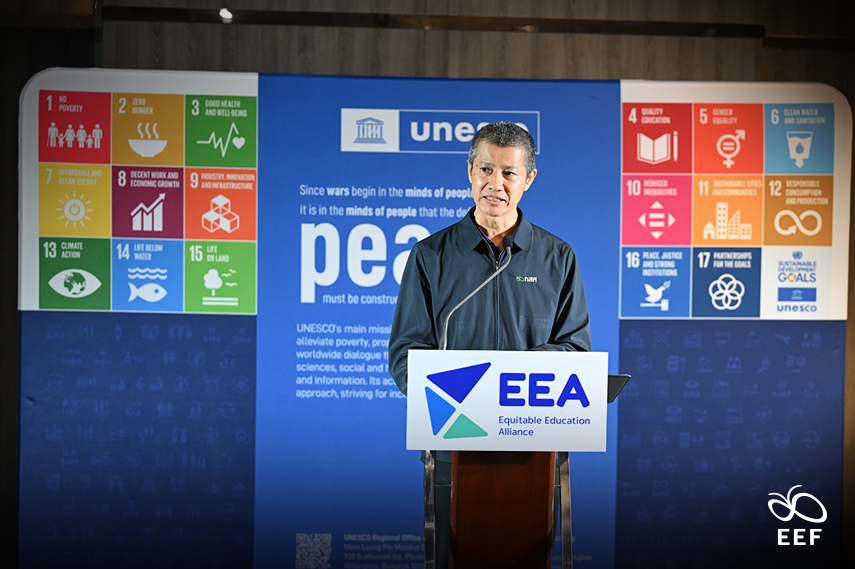
At the national level, Mr. Patanapong Sukmadan, Assistant Managing Director, EEF (Thailand), outlined Thailand’s coordinated policy response, developed through collaboration among 11 government agencies under a Cabinet resolution in May 2024. Built on integrated data systems, individualized support, flexible learning, and education-to-employment pathways, the strategy has helped around 100,000 children and youth return to learning, while continued efforts target the remaining 880,000 still out of the system.
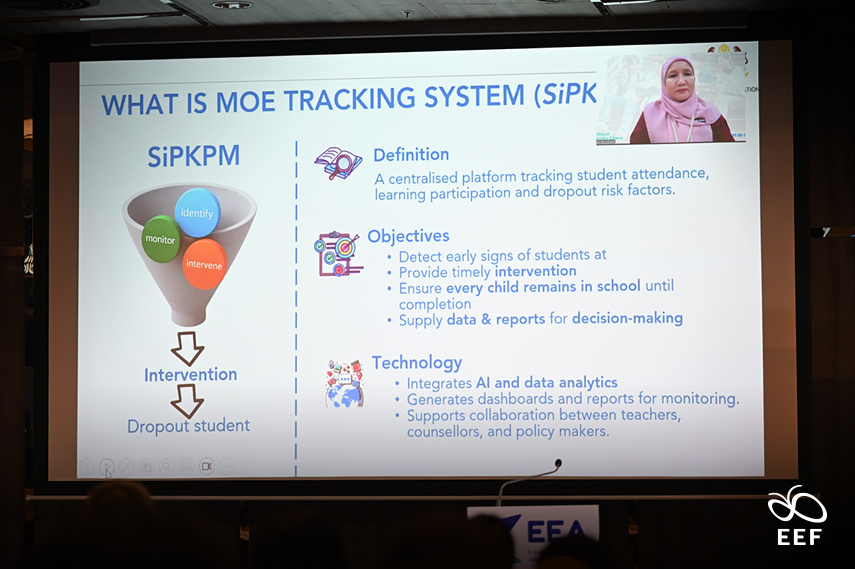
Regional perspectives further enriched the discussion. From Malaysia, Dr. Nik Fatihah Binti Nik Abdullah presented the SiPKPM AI-based early warning system, now used nationwide to predict dropout risks and guide timely, evidence-based support. “The SiPKPM system integrates data on attendance, academic performance, and socio-behavioral indicators to predict learners’ risk of dropping out. It enables targeted support and supports rapid, evidence-based decision-making, replacing guesswork,” said Dr. Nik.
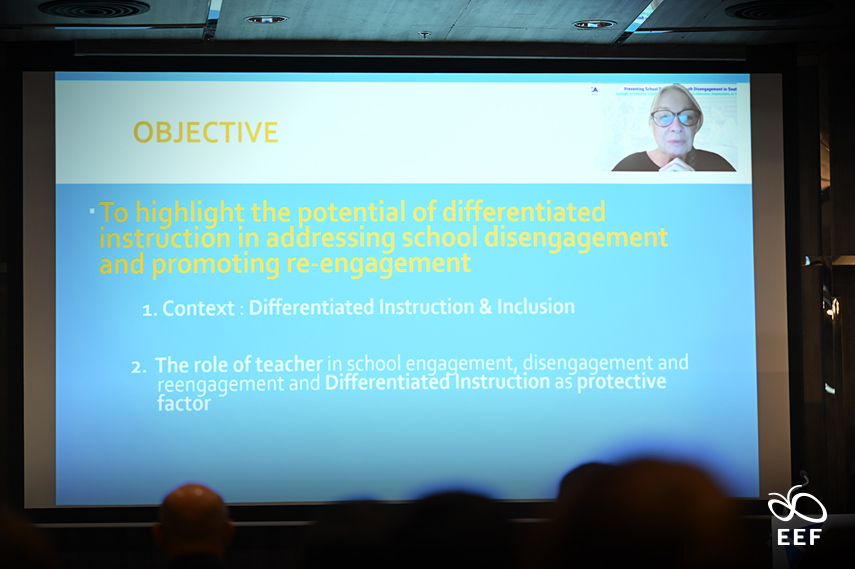
From Canada, Dr. Isabelle Nizet emphasized the role of inclusive teaching and strong teacher–student relationships as critical protective factors against dropout, supported by appropriately used AI tools. “Teaching approaches that respond to individual differences through inclusive classrooms, diagnostic assessment, and individualized learning plans serve both to prevent dropout and to re-engage learners across all groups,” said Dr. Isabelle.
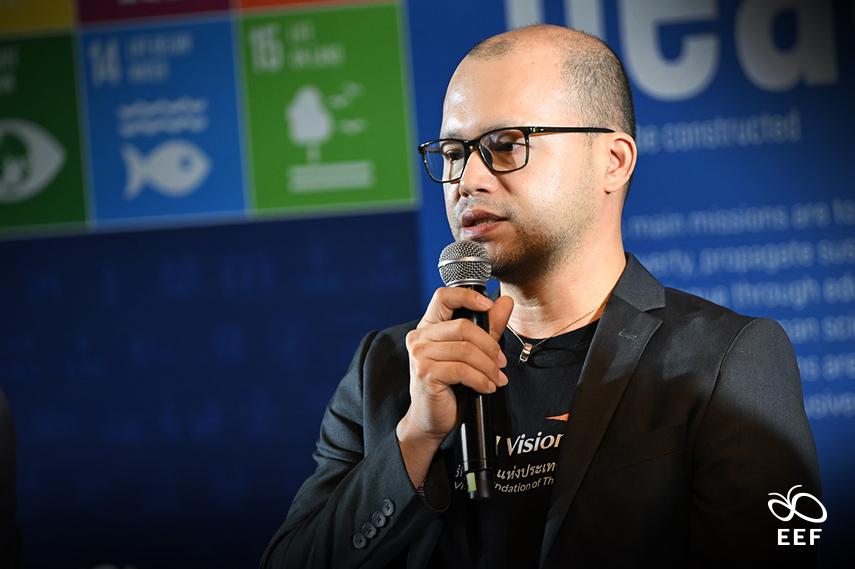
Community-level experiences reinforced these systemic approaches. World Vision Thailand Foundation of Thailand shared results from its Youth Ready for Work for Life project, which has reached over 66,000 youth across 32 provinces through flexible learning and skills development. “The Youth Ready for Work for Life project develops young people’s skills in agriculture, careers, and financial literacy, while connecting them to both formal and non-formal education pathways.” said Mr. Alonzo Padul Lee, Ministry Quality and Impact Division Manager, World Vision Thailand Foundation of Thailand.
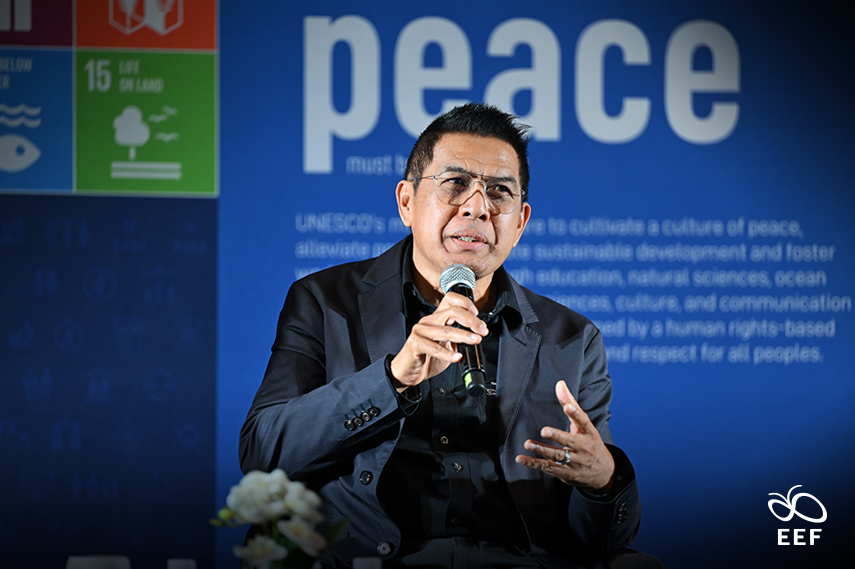
Local governments in Pattani emphasized tackling poverty and vulnerability through coordinated support systems and the community-led “Budak Pattani” fund, mobilizing Zakat and Waqf to sustain education and career pathways. “We see our role as facilitators and coordinators—connecting schools, government agencies, religious leaders, and the private sector to share responsibility for the future of children and youth,” said Mr. Set Al-jufree, Chief Executive of Pattani Provincial Administrative Organization (PAO).
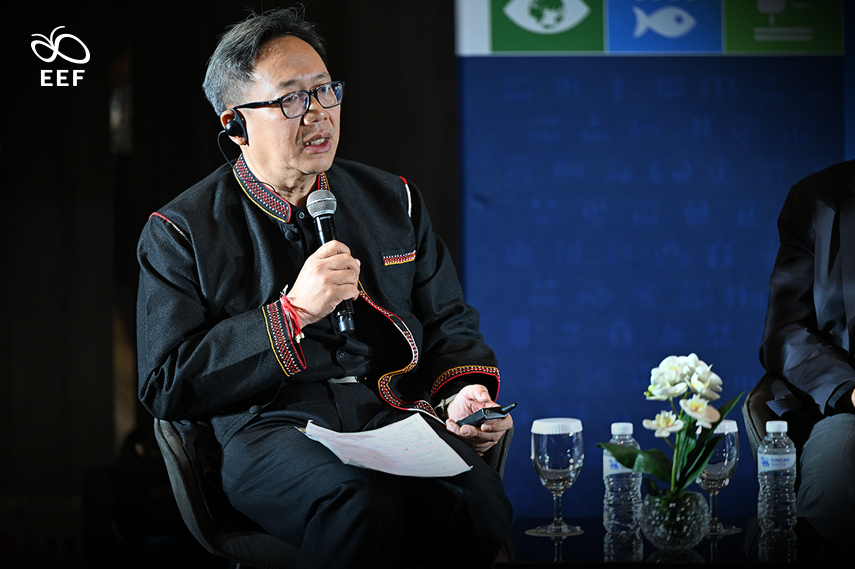
Meanwhile, Lampang Luang Municipality demonstrated how a community learning ecosystem can emerge through the “Life Vaccine” framework integrating health, education, careers, and values. By listening to vulnerable groups and engaging families, the municipality has helped youth return to learning and repositioned community spaces as inclusive, lifelong learning hubs. “By strengthening local-level collaboration and family engagement, we are moving towards becoming a lifelong learning community.” said Mr. Santipong Silapasomboon, Director of Department of Public Health and Environment, Lampangluang Subdistrict Municipality
Building on the outcomes of this forum, UNESCO Bangkok and EEF (Thailand) announced plans to deepen regional knowledge exchange, scale proven solutions and promote evidence-informed policymaking. Priority actions include enhancing data interoperability between agencies, expanding flexible pathways for vulnerable learners, strengthening partnerships with the private sector and amplifying youth voices in the design and delivery of education and employment solutions, aligning with Sustainable Development Goal 4 to ensure inclusive, equitable quality education and lifelong learning opportunities for all.


